
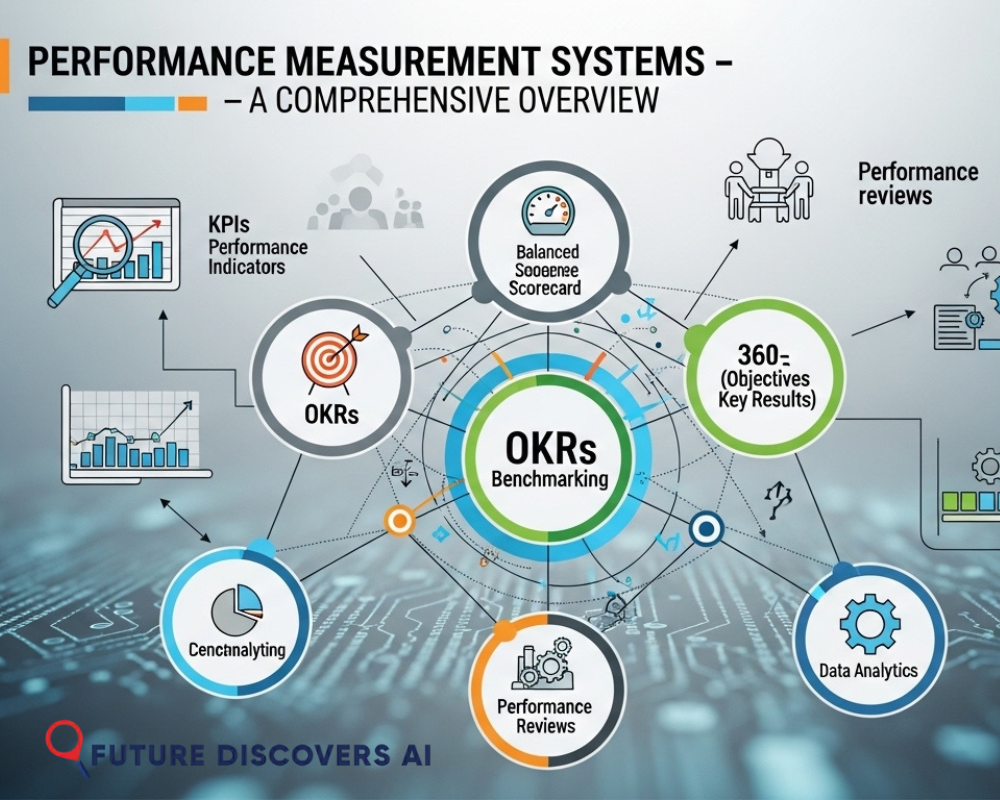
Measurement systems consist of organized processes, metrics, and tools designed to monitor organizational activities and results. Through these structured frameworks, stakeholders can track progress toward strategic objectives, evaluate key performance indicators (KPIs), and make informed decisions that drive improvement. When implemented effectively, measurement systems transform raw data into meaningful insights that support smarter planning and execution.
Estimation frameworks comprise of organized forms, measurements, and apparatuses planned to screen organizational exercises and comes about. Through these organized systems, partners can track advance toward key goals, assess key execution pointers (KPIs), and make educated choices that drive change. When actualized viably, estimation frameworks change crude information into significant experiences that back more intelligent arranging and execution.
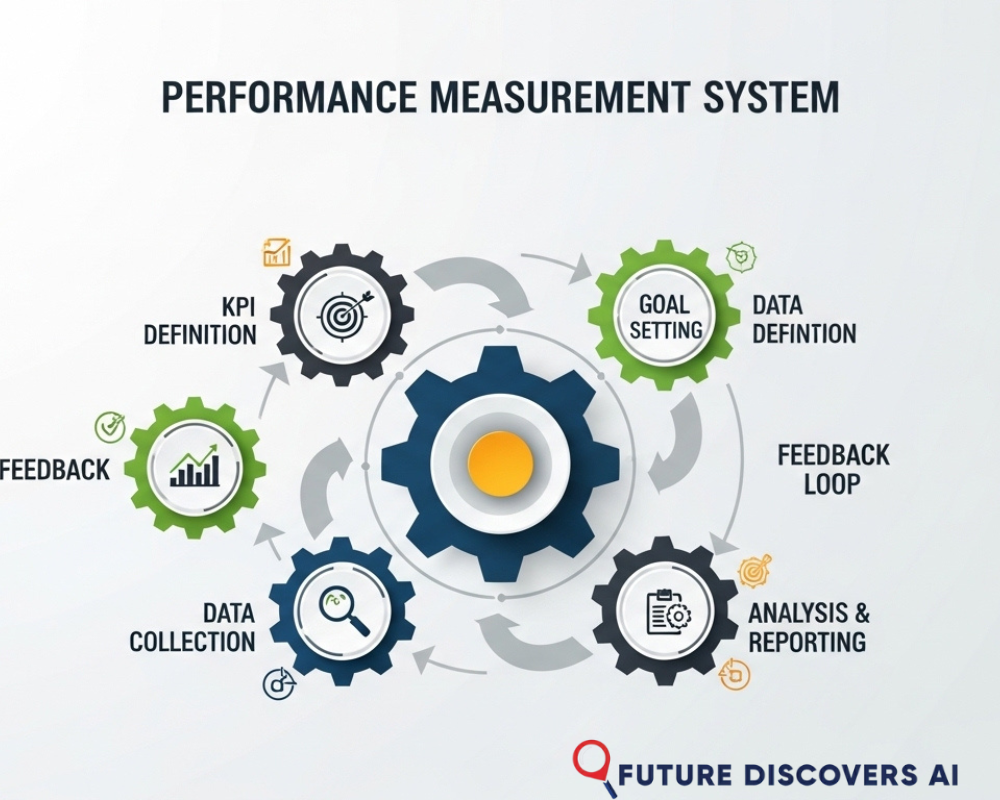
Components of Performance Measurement Systems
A well-designed system incorporates a few interconnected components that guarantee execution is followed precisely and reliably. The viability of estimation frameworks generally depends on how well these components are characterized and coordinates over the organization.
Strategic Objectives
Strategic goals are the establishment of any execution system. They speak to clearly characterized, quantifiable objectives that adjust with the organization’s mission, vision, and long-term heading. Without well-articulated targets, estimation frameworks lose center and come up short to give significant guidance.
Organizations must guarantee that vital targets cascade from beat authority down to departmental and person levels. This arrangement guarantees that each representative gets it how their work contributes to broader organizational victory. Clear goals moreover make it simpler to prioritize activities and distribute assets efficiently.
Key Performance Indicators (KPIs)
Key Execution Pointers are quantifiable measurements utilized to assess how successfully key and operational objectives are being accomplished. KPIs interpret unique goals into quantifiable results, making execution obvious and manageable.
Effective estimation frameworks depend on carefully chosen KPIs that are significant, practical, and significant. As well numerous markers can make perplexity, whereas as well few may neglect basic execution ranges. Organizations ought to center on measurements that genuinely reflect esteem creation, such as efficiency rates, client maintenance, quality levels, and monetary returns. Standard survey of KPIs guarantees they stay adjusted with advancing trade priorities.
Data Collection and Analysis in Measurement systems
Reliable information is the spine of effective estimation frameworks. Organizations must set up vigorous forms for collecting exact and convenient execution data. This may include robotized dashboards, undertaking computer program, studies, operational reports, or analytics platforms.
However, information collection alone is not sufficient. The genuine esteem develops from keen examination. By analyzing patterns, designs, and execution holes, directors can distinguish root causes of issues and reveal openings for change. Progressed analytics and visualization instruments encourage reinforce estimation frameworks by turning complex information into significant bits of knowledge that bolster evidence-based decision-making.

Components of Performance Measurement Systems
A well-designed system incorporates a few interconnected components that guarantee execution is followed precisely and reliably. The viability of estimation frameworks generally depends on how well these components are characterized and coordinates over the organization.
Strategic Objectives
Strategic goals are the establishment of any execution system. They speak to clearly characterized, quantifiable objectives that adjust with the organization’s mission, vision, and long-term heading. Without well-articulated targets, estimation frameworks lose center and come up short to give significant guidance.
Organizations must guarantee that vital targets cascade from beat authority down to departmental and person levels. This arrangement guarantees that each representative gets it how their work contributes to broader organizational victory. Clear goals moreover make it simpler to prioritize activities and distribute assets efficiently.
Key Performance Indicators (KPIs)
Key Execution Pointers are quantifiable measurements utilized to assess how successfully key and operational objectives are being accomplished. KPIs interpret unique goals into quantifiable results, making execution obvious and manageable.
Effective estimation frameworks depend on carefully chosen KPIs that are significant, practical, and significant. As well numerous markers can make perplexity, whereas as well few may neglect basic execution ranges. Organizations ought to center on measurements that genuinely reflect esteem creation, such as efficiency rates, client maintenance, quality levels, and monetary returns. Standard survey of KPIs guarantees they stay adjusted with advancing trade priorities.
Data Collection and Analysis in Measurement systems
Reliable information is the spine of effective estimation frameworks. Organizations must set up vigorous forms for collecting exact and convenient execution data. This may include robotized dashboards, undertaking computer program, studies, operational reports, or analytics platforms.
However, information collection alone is not sufficient. The genuine esteem develops from keen examination. By analyzing patterns, designs, and execution holes, directors can distinguish root causes of issues and reveal openings for change. Progressed analytics and visualization instruments encourage reinforce estimation frameworks by turning complex information into significant bits of knowledge that bolster evidence-based decision-making.
Reporting and Communication
Performance data must be communicated clearly to partners at all organizational levels. Straightforward detailing guarantees responsibility, builds believe, and keeps groups adjusted with key needs. Viable estimation frameworks incorporate organized announcing components such as dashboards, scorecards, and intermittent execution reviews.
Communication ought to be custom fitted to the gathering of people. Officials may require high-level rundowns, whereas operational groups require nitty gritty execution breakdowns. Customary detailing cycles empower ceaseless observing and anticipate execution issues from going unnoticed. When representatives clearly get it comes about and desires, they are more likely to remain locked in and centered on improvement.
Feedback and Persistent Improvement
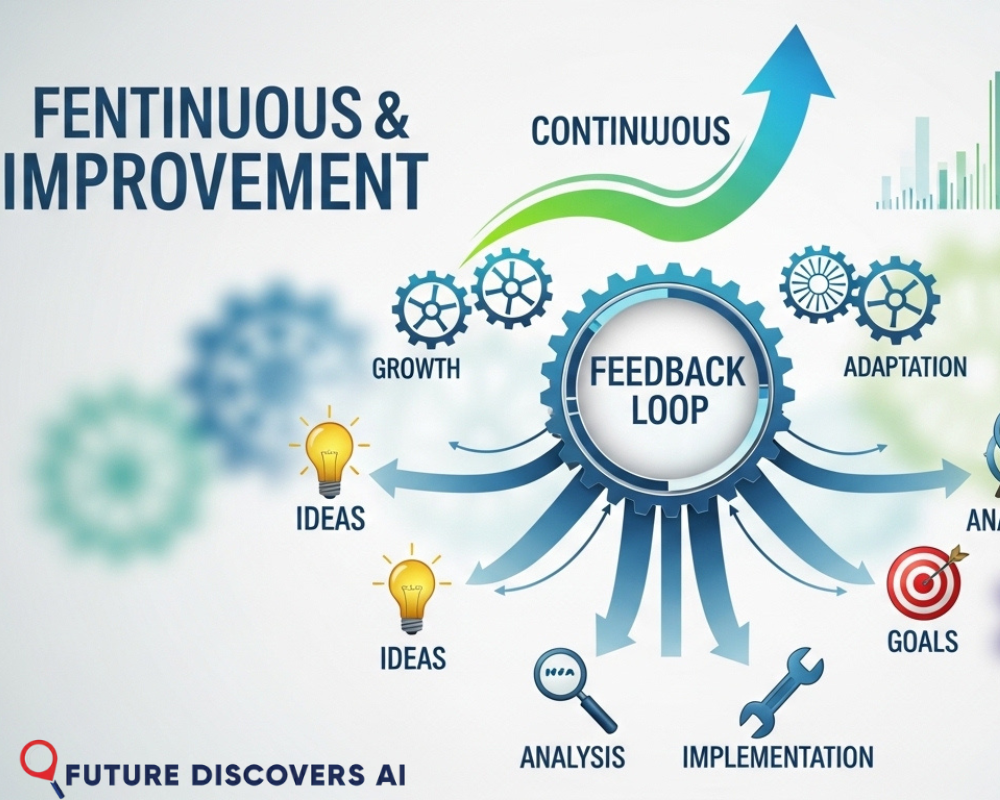
A characterizing quality of develop estimation frameworks is their capacity to bolster ceaseless change. Execution observing ought to not be a one-time action; it must work as an progressing input circle. Organizations require organized instruments to audit comes about, accumulate experiences, and actualize remedial actions.
Continuous change includes learning from both victories and disappointments. By frequently assessing execution information, companies can refine forms, dispense with wasteful aspects, and adjust to changing advertise conditions. Over time, this iterative approach fortifies organizational nimbleness and resilience.

Significance of PMS in Measurement systems
Optimal Decision-Making
One of the most critical benefits of estimation frameworks is progressed choice quality. Directors and officials pick up clear perceivability into operational adequacy, empowering them to make educated vital and strategic choices. Instep of depending on suspicions, pioneers can utilize real-time execution information to direct asset allotment, handle advancements, and speculation decisions.
Data-driven decision-making decreases vulnerability and upgrades organizational certainty. It too permits companies to react rapidly to developing dangers or openings, which is basic in today’s fast-moving trade environment.
Openness and Responsibility
Implementing organized estimation frameworks advances a culture of responsibility all through the organization. When workers get it how their execution is measured and how it contributes to organizational victory, they are more likely to take proprietorship of their responsibilities.
Transparency in execution announcing builds believe among partners, counting representatives, supervisors, speculators, and accomplices. Clear perceivability into comes about empowers legitimate discussions approximately execution crevices and advancement needs. Over time, this openness cultivates a culture of obligation, reasonableness, and nonstop learning.
Ongoing Enhancement
Another major advantage of estimation frameworks is their capacity to drive continuous enhancement. Nonstop checking makes a difference organizations recognize wasteful aspects, execution bottlenecks, and rising dangers some time recently they raise into genuine problems.
Through standard execution audits and focused on intercessions, companies can streamline workflows, move forward quality, and upgrade client fulfillment. This cycle of checking, learning, and progressing guarantees that the organization remains dexterous and competitive indeed as showcase conditions evolve.
Consistency with Key Goals
Alignment between person endeavors and organizational technique is basic for long-term victory. Well-structured estimation frameworks guarantee that departmental and representative objectives straightforwardly back broader key objectives.
When representatives clearly see how their work contributes to the organization’s mission, inspiration and engagement actually increment. This arrangement moreover decreases squandered exertion on low-priority exercises and guarantees that assets are centered on activities that make the most prominent vital value.